A swollen ankle that looks puffy by evening, an itch over a ropey vein on your calf, a leg that feels unusually heavy after a short flight. Many patients show up with one of these, often certain they have a “vein problem” or a “lymph issue.” The surprise in the exam room is how often both are involved. Once you learn how the venous and lymphatic systems share a workload, and how one system stresses the other, a lot of stubborn symptoms make sense.
Two networks, one pressure problem
Veins return deoxygenated blood to the heart. Lymphatics collect excess fluid and proteins from tissues and return them to the bloodstream. They run alongside each other in the limbs, share the same neighborhood of muscle pumps and connective tissue, and both rely on one-way valves. When venous pressure rises in the legs, more fluid is pushed out through the capillaries into the tissues. The lymphatic system must pick up that extra load. If it cannot, swelling and inflammation grow.
Venous hypertension is usually the instigator. Faulty vein valves allow blood to fall back toward the feet with gravity, a process we call reflux. The longer the column of blood sits in the leg, the more pressure it exerts. Over months and years, that pressure distends superficial veins into varicose veins and drives fluid out into the interstitium. The lymphatics initially compensate. Then they tire. That mixed picture is so common it has a name: phlebolymphedema.
A Columbus Vascular Vein & Aesthetics vein clinic IL quick way to sense the interaction is to look for pitting. Press a thumb over the shin for five seconds. If a dent remains, the tissue is waterlogged. If the skin feels thick and spongy higher up at the calf or around the ankle, the lymphatics are falling behind. Most “stubborn edema” referrals fall into that category.
Heat, hydration, and why legs change with the weather
Summer heat brings out veins. Peripheral veins dilate to shed body heat, and that dilation adds to pooling in the legs. People ask why veins bulge more in summer heat and whether it signals disease. Heat does not cause vein disease by itself, but it unmasks venous reflux and weak valves. Expect more ankle swelling, a heavier feeling by evening, and sometimes nighttime leg cramps that make you stretch your feet in bed. Vein clinics can help with leg cramps at night when reflux is the driver. An ultrasound-guided plan that reduces pooling often calms cramps within weeks.
Hydration matters more than it gets credit for. How dehydration affects vein health and treatment results shows up in small but meaningful ways. Low plasma volume thickens blood, slows flow, and can increase the risk of clotting in a sluggish varicose reservoir. After procedures, good hydration helps flush the treated vein debris the body needs to resorb. I ask patients to target pale-yellow urine the day before and the week after treatment. It is simple, cheap, and it improves how you feel during recovery.
Caffeine can be a mixed bag. For many, moderate coffee improves alertness and has mild diuretic effects that do not worsen swelling if you hydrate well. In sensitive patients, caffeine raises heart rate and may make restless legs or nighttime cramps more prominent. If legs twitch or ache after your afternoon espresso, consider timing or dose.
Flying is its own test. Cabin pressure mimics a mild high altitude, humidity is low, and you are stuck sitting. Can flying worsen varicose veins permanently? It can aggravate symptoms and increase short-term clot risk in high-risk patients, but a single flight does not cause permanent varicosities. That said, repeated long-haul flights without movement, especially in those with reflux or prior clots, can magnify problems over time.
Microcirculation 101: where fluid balance is decided
At the capillary level, Starling forces push fluid out on the arterial side and draw it back on the venous side. Protein concentration in the interstitial space and capillaries influences this exchange. When venous pressure is high, reabsorption on the venous end fails, leaving more protein-rich fluid outside the vessels. The lymphatics must pick up that load. Over time, protein deposition in tissues drives inflammation and fibrosis. That is when skin and subcutaneous tissue start to change texture and color. Patients ask whether vein treatments can improve skin texture. When we lower venous pressure and the lymphatics can finally catch up, skin often softens, hyperpigmentation lightens, and itch fades. It is not instant. Expect months, not days.
Inflammation ties everything together. It irritates nerves, which explains why some veins hurt and others do not, and it disrupts valve function in both venous and lymphatic channels. Chronic inflammatory states, from smoking to uncontrolled autoimmune conditions, will slow response to any vein therapy.
Signs patients tend to ignore
Many people miss early warning signs of vein problems because they are easy to rationalize. Leg fatigue after a short walk becomes “I am just out of shape.” Ankle swelling that prints a sock ring becomes “I had salty takeout.” Itchy, dry patches over bulging veins, especially on the inner calf, signal inflammation under the skin. Why do varicose veins itch and how clinics treat it comes up daily. The itch stems from venous eczema, a reaction to the protein-rich fluid and inflammation. We treat the source with vein procedures that reduce reflux, and we treat the skin with moisturizers, short courses of topical steroids, and compression.

Spider veins that appear suddenly on legs can follow hormonal shifts, a new training block in runners, or a summer spent standing more. Alone, they are cosmetic. When they arrive with aching, swelling, or skin changes, they are a flag that deeper veins may be failing. The color of veins can darken when blood sits stagnant and deoxygenated. Visible veins with age are common as skin thins and subcutaneous fat decreases, but pronounced clusters, especially around the ankles, deserve a duplex ultrasound to rule out reflux.

Jobs and daily habits that tip the balance
Can standing all day damage your veins permanently? Prolonged standing increases venous pressure and can accelerate vein valve fatigue, especially in those genetically predisposed. Retail and service jobs, teachers managing long days on their feet, and healthcare workers racing between rooms know the feeling of calves that feel two sizes too big at day’s end. Desk workers are not spared. Does sitting too long cause vein disease? Immobility reduces the calf muscle pump that propels venous blood upward. The longer you sit, the more your veins pool.
Footwear plays into this. High heels point the ankle and switch off the calf pump, so they do contribute to vein disease if worn for many hours a day. Flats with thin, unforgiving soles transmit impact to already irritated tissues. Shoes with supportive midsoles and a small heel drop keep the calf engaging with each step. Tight clothing that constricts at the thigh or groin can impede superficial venous return. The fix is not fashion exile, just mindful use and variety.
Obesity increases abdominal pressure, raises venous pressure in the legs, and makes both procedures and recovery harder. On the flip side, rapid weight loss changes the support around superficial veins. Patients sometimes notice veins seem more visible after shedding 20 to 30 pounds. That visibility is not necessarily disease progression. The loss of fatty tissue unmasking what was already there is part of the picture.
Athletes are not immune
Why athletes develop spider veins is a mix of genetics and hemodynamics. High-volume running increases venous pressure in the legs during impact. Cycling helps improve vein circulation because the calf pump cycles continuously without impact, and leg elevation on the bike reduces gravitational load. Weight lifting can worsen varicose veins if the Valsalva maneuver is habitual during heavy squats or deadlifts, since breath holding spikes intra-abdominal and venous pressures. I coach lifters to exhale through exertion, use belts wisely, and mix in aerobic recovery sessions. Running is not the villain. It is the unbalanced training plan and missed recovery that push a predisposed system over the line.
Does walking daily prevent vein issues? For many, yes. Regular walking activates the calf pump, reduces pooling, and supports lymphatic flow. Even ten minutes every hour changes how your legs feel by evening. Start with what you can sustain.
Hormones, pregnancy, and menopause
Hormones soften vein walls and change valve function. How hormones impact vein health over time shows up most during pregnancy and menopause. Pregnancy increases blood volume by roughly 40 to 50 percent, the uterus compresses pelvic veins, and hormonal shifts relax vessel walls. How pregnancy changes your veins long term depends on genetics and parity. Each pregnancy raises the risk of varicosities that may linger. We can treat safely after delivery and breastfeeding, and the timing matters for durable results.
Does menopause increase risk of vein disease? With the drop in estrogen, connective tissue loses some elasticity. Vein walls may become less resilient, and weight redistribution to the abdomen raises venous pressure in the legs. Nighttime leg cramps, ankle swelling, and rapid vein visibility are common complaints in this window. A targeted ultrasound and a simple plan often give relief within a few weeks.
Diagnosis that looks past the surface
Symptoms do not tell the whole story. Two patients with identical-looking spider veins can have very different problems. One has only cosmetic surface webs. The other has saphenous reflux feeding those webs from below. The difference between superficial and deep vein issues is critical. Deep venous disease, including post-thrombotic changes, requires a different strategy than garden-variety saphenous reflux.
What is vein reflux and why it matters can be summarized simply. In a healthy vein, valves keep blood moving one way, toward the heart. In reflux, blood falls back through failed valves, increasing pressure downstream. Blood flow direction impacts vein health more than almost any metric we check.
Ultrasound is our stethoscope. The importance of ultrasound in vein diagnosis is not hype. A skilled technologist maps reflux, measures vein diameter, and checks for clots. How accurate are vein clinic screenings hinges on that expertise. Quick screens at health fairs can suggest a problem, but a full duplex exam in a standing position is the gold standard for planning. Lymphatic imaging is more specialized. For clear-cut lymphedema, bioimpedance and indocyanine green lymphography in referral centers help, but most clinics use exam and history to identify phlebolymphedema.
Vein clinics also look for hidden problems. Pelvic venous congestion in women, iliac vein compression on the left side, or chronic deep vein scarring can explain why ankle swelling persists after a technically perfect leg treatment. Complex cases get better when pelvic and proximal obstruction are ruled in or out early.
When cosmetic crosses into medical
Spider veins and small reticular veins look minor. When they come with aching, itching, swelling, or skin changes, they become medical issues. Patients ask whether vein treatments improve circulation efficiency or even energy. When we remove a pathologic reflux loop, the calf pump works with less backflow. That can translate to less fatigue and longer walking tolerance. You will not run faster because a small spider cluster is sclerosed, but you might walk the dog after dinner without that heavy-leg drag.
Can vein clinics treat ankle swelling effectively? Yes, when swelling is primarily venous or phlebolymphedema. By lowering venous pressure with ablation or foam, supporting lymphatic return with compression and movement, and addressing skin inflammation, ankles usually regain definition over weeks to months. If true primary lymphedema is the driver, surgery or specialized lymphatic therapy may be needed.
Treatments, tools, and why personalization wins
Laser vs injection treatments for veins explained quickly: endovenous thermal ablation (laser or radiofrequency) closes refluxing trunks from the inside using heat. Foam sclerotherapy uses a medication to irritate and shut veins from within. Cyanoacrylate glue is an option for patients who cannot tolerate heat or tumescent anesthesia. For surface veins, liquid sclerotherapy or microphlebectomy is typical. How clinics personalize vein treatment plans starts with ultrasound mapping, then matches technique to vein size, depth, and your daily life. If you travel for work weekly, a no-compression or minimal-downtime approach may top the list.
Why customized treatment matters for vein health is not marketing. Reflux patterns vary, anatomy varies, pain tolerance varies. A teacher who stands all day needs daytime strategies and footwear tweaks more than the long-haul pilot who needs a flight routine and hydration cues. Complex vein cases, like recurrence after a prior ablation or post-thrombotic limbs, often require staged procedures and patience. Why some vein treatments fail often traces back to an untreated feeder vein, a missed proximal obstruction, or unrealistic aftercare.
Do compression socks really prevent vein disease? They do not change genetics or valve structure, but they reduce symptoms, slow progression in at-risk groups, and support lymphatics on high-demand days. Choose the right pressure, usually 15 to 20 mmHg for prevention and 20 to 30 mmHg for symptom relief, unless your clinician recommends otherwise. People who use them consistently during long standing or sitting days report less swelling and less end-of-day pain.
Nutrition matters in quieter ways. How diet influences vein strength and elasticity is mostly about supporting connective tissue and keeping inflammation low. Best foods for vein health recommended by clinics tend to be predictable: colorful produce for antioxidants, adequate protein to maintain muscle pumps, and omega-3 fats for vascular health. How smoking damages your veins is direct and relentless. It injures the endothelium, thickens blood, slows healing, and doubles down on inflammation. Supplements can help in narrow contexts. Can supplements improve vein treatment outcomes? Micronized purified flavonoid fractions and horse chestnut extract may reduce symptoms like heaviness and swelling in the short term. They are not substitutes for fixing significant reflux.
What recovery really feels like after vein treatment is usually less dramatic than patients fear. A tight pulling sensation along the treated vein, mild bruising, and occasional lumps that feel sore for 1 to 2 weeks are expected. How hydration impacts recovery after vein treatment shows up as less fatigue and faster clearing of bruising. Walking the same day is standard. Most people return to work within 24 to 72 hours, depending on the job and the extent of treatment.
The way you sleep matters for a week or two. How to sleep after vein treatment for better results is simple: elevate the legs on a pillow so the ankles sit slightly above the heart if comfortable, avoid heavy blankets that trap heat on tender skin, and stay in compression as advised. Best sleeping positions for vein health are the ones that keep the knees slightly flexed and calves relaxed.
For frequent travelers and desk-bound professionals, a few habits make an outsized difference.
- Stand or walk for at least five minutes every hour during work or flights. Hydrate steadily, aiming for pale-yellow urine, especially before and after procedures. Use knee-high compression on high-demand days and all flights over two hours. Flex and point the ankles 20 to 30 times each hour when seated. Avoid tight waistbands and consider shoes with a small, supportive heel drop.
Patients also worry about recurrence. Why veins reappear after treatment usually relates to untreated tributaries, new reflux developing over time, or lifestyle and hormonal changes. How to prevent recurrence after vein procedures revolves around maintaining activity, weight management, compression on long days, and scheduled follow up. Vein clinic long term maintenance strategies often include a brief ultrasound at 6 to 12 months, then as symptoms dictate. How often should you check your vein health? If you had significant reflux treated, an annual or biennial check is reasonable, especially if you notice new symptoms.
What if you do nothing
What happens if vein disease goes untreated? Early on, not much beyond annoyance. Over years, persistent venous hypertension drives skin changes called lipodermatosclerosis, brownish staining around the ankles, and eventually ulcers that are slow to heal. Can vein problems lead to serious complications? Yes. Superficial clots can be painful and extend to deep veins. The connection between vein disease and blood clots is real, particularly in large, stagnant varicosities or after long immobility. Can vein disease affect heart health? Not directly in the way arterial disease does, but untreated venous disease lowers mobility, which worsens cardiovascular risk factors by proxy.
Children can develop vein problems early, though it is uncommon. Congenital venous malformations or genetic valve issues show up as asymmetry, clusters of abnormal veins, or persistent swelling. Vein clinics treat genetic vein conditions in partnership with vascular surgeons and interventional radiologists, often using staged sclerotherapy and careful compression.
Building a trustworthy plan and team
What makes a vein clinic trustworthy is not a glossy brochure. It is transparent credentials, ultrasound expertise, a full menu of techniques rather than one-size-fits-all, and realistic conversations about timelines. How clinics manage patient expectations can determine satisfaction more than the device used. Expect honest talk about what each procedure can and cannot do, and realistic timelines for vein treatment results. Spider veins often need two to four sessions spaced weeks apart. Truncal ablation improves heaviness in days, but skin color and texture changes may take months to remodel.
First-time patients often get one thing wrong about vein clinics: they expect a single magic session. Multiple treatments improve final outcomes because veins form networks. Fixing a trunk vein reduces pressure, then touch-up work on tributaries and surface veins completes the cosmetic and symptom picture. Can vein treatments be combined safely? Yes, when sequenced logically and spaced to reduce inflammation load.
Many patients hesitate because they fear pain or downtime. How to overcome fear of vein procedures is about demystifying the steps. Ask for a walk-through of the exact sequence with the device in the room. Have a plan for the drive home, the first night, and work the next day. The psychological impact of visible vein conditions is not trivial. People avoid shorts, beaches, or social activities. Confidence improves when symptoms are controlled, even before the last spider vein fades.
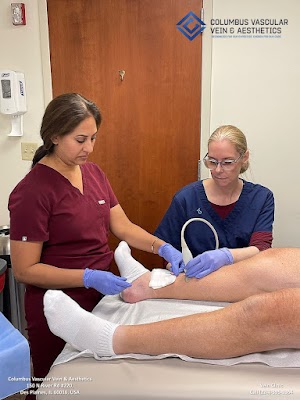
Questions patients forget to ask vein specialists tend to be practical. Bring this short list to your consult.
- Which veins are the true sources of reflux and which are just bystanders? How will you sequence treatments, and how many sessions should I plan for? What are the realistic symptom changes I should feel at one week, one month, and three months? What is my clot risk and how do we manage it around flights or surgeries? How will we monitor for recurrence and what is the maintenance plan?
Sleep, stress, and the quieter variables
How stress impacts circulation and veins is partly behavioral, partly physiologic. Stress raises cortisol and sympathetic tone, which can alter microvascular function and worsen inflammation. It also nudges habits toward sedentary evenings and poor sleep. Does poor sleep worsen vein disease? Indirectly. Short sleep reduces daytime energy, so you move less, the calf pump cycles less, and swelling wins the day. Some patients report that once reflux is controlled, their energy improves. Can vein treatments improve energy levels? They can, through better comfort, less night waking from cramps, and more willingness to be active.
Edge cases and judgment calls
When cosmetic veins become a medical issue is not always obvious. A small blue web at the ankle can be harmless or can be the tip of a feeder off a refluxing saphenous branch. Darkening skin over the shin could be eczema, a fungal rash, or venous dermatitis. An ultrasound and an experienced eye prevent missteps. Why some vein treatments fail and how to avoid it comes down to proper mapping, choosing the right tool for the vein, and disciplined follow up.
There is also a quiet debate around desk cycling and under-desk ellipticals. For some, they meaningfully increase calf pump cycles. For others, they collect dust. What works is what you will use daily. A simple routine after procedures beats a perfect plan abandoned after three days.
Travel playbook for the road warrior
How travel affects vein health and swelling is predictable. Low humidity, fixed seating, salty airport food. Vein clinic tips for frequent travelers start the week before a trip and end two days after. Drink water steadily, not just on the day of the flight. Wear compression on the flight and on the first workday at your destination. Choose aisle seats so you can stand without elaborate apologizing. Book a brief walk after check-in rather than a collapse in front of email. If you have a history of clots, coordinate with your clinician about medications for long-haul flights.
The take-home message from the exam room
Vein and lymphatic health is not a binary. They share the same mechanical neighborhood, and what stresses one quickly burdens the other. Most stubborn swelling has a venous origin with a lymphatic consequence. Most itch over bulging veins is a skin reaction to venous inflammation. Most nighttime cramps in the setting of visible varicosities come from reflux and improve when that reflux is fixed. And most durable results come from a personalized plan that pairs a well-executed procedure with small, consistent habits.
If your legs feel heavy by lunch, if your socks etch a ring by evening, or if web-like veins popped up over one summer and brought ache with them, get a proper standing ultrasound. Ask the practical questions, commit to simple movement and hydration, and give your lymphatics the relief they have been working overtime to provide. When veins and lymphatics are both part of the plan, results tend to last.